Mapping memories of Manheim
2026, Teaching Design Ethnography, Exhibition
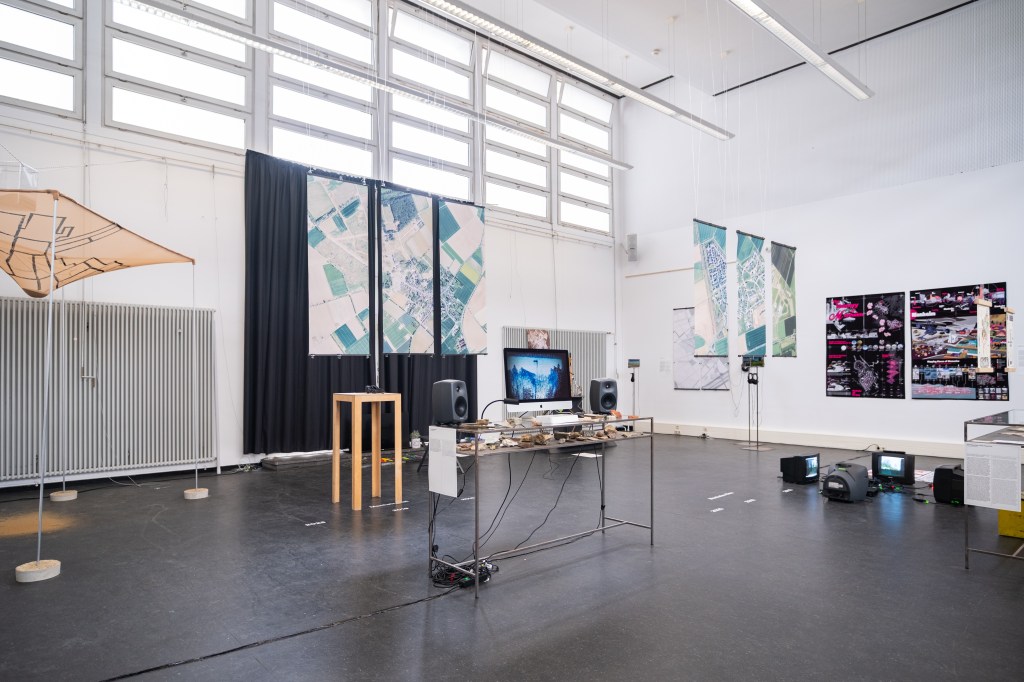
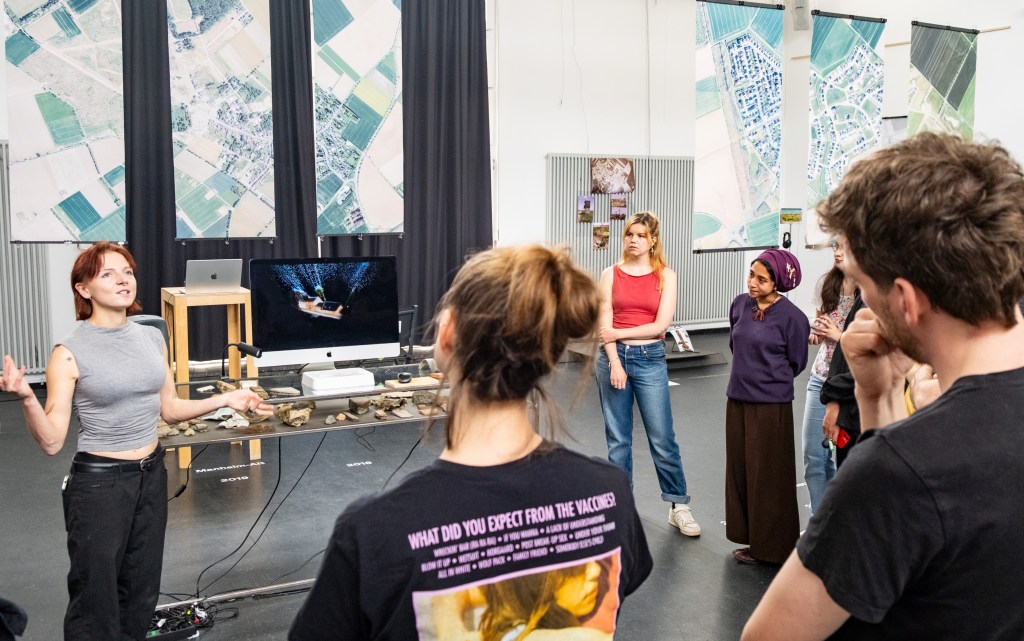
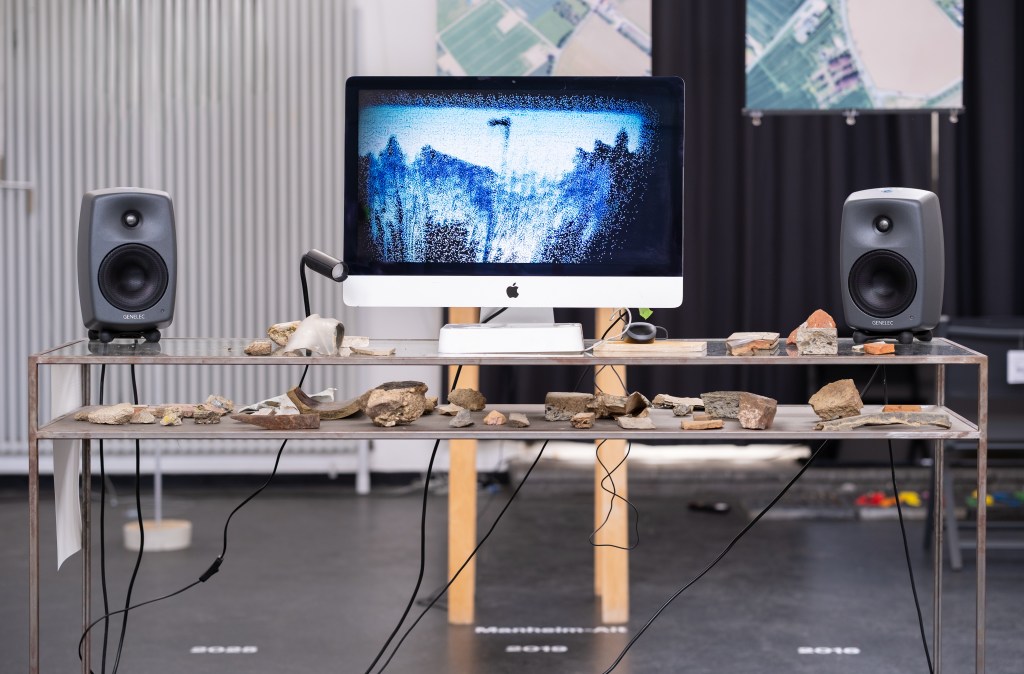
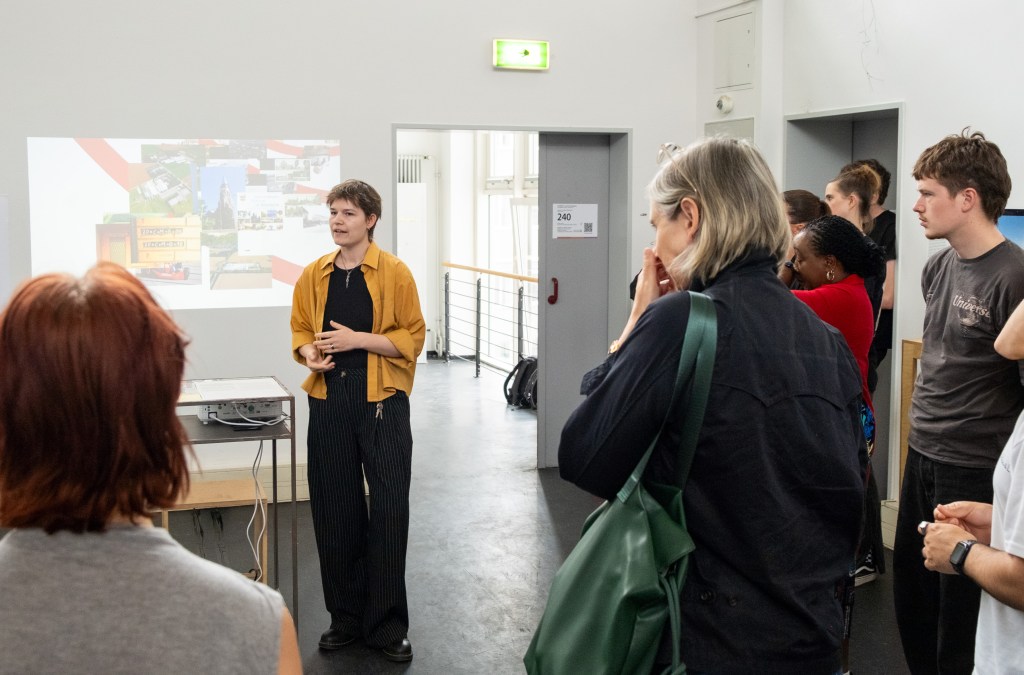
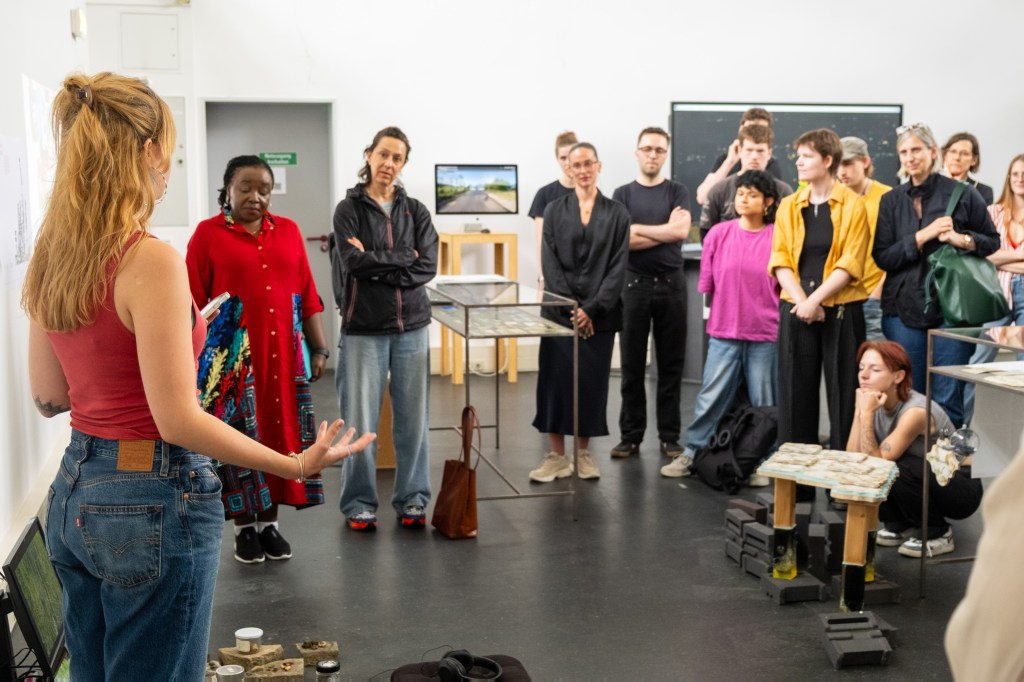
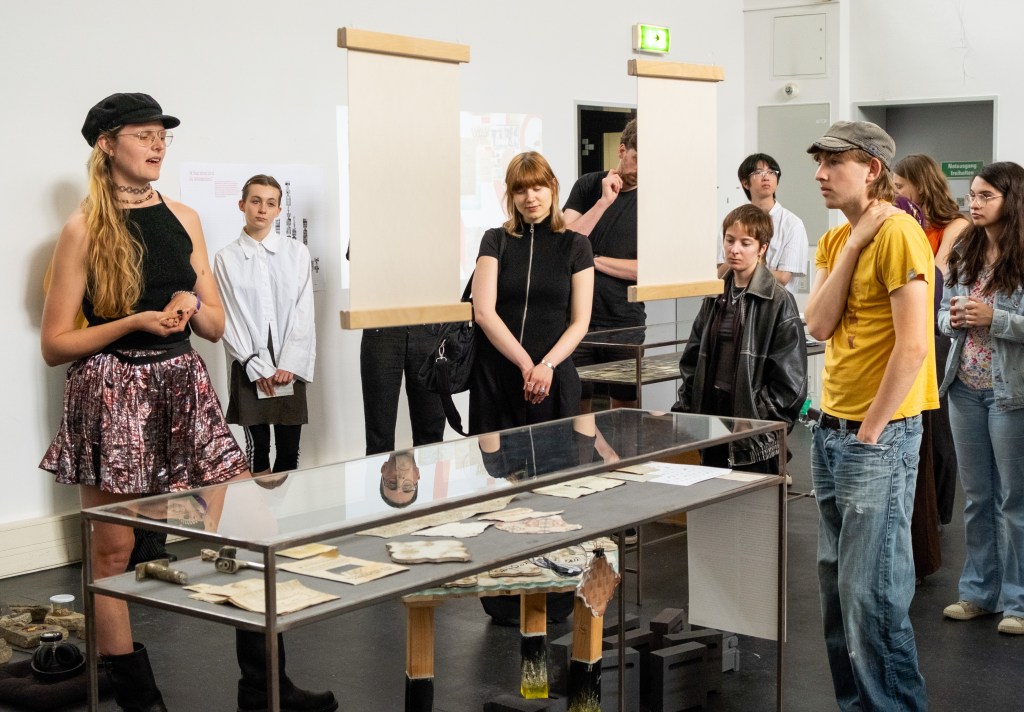
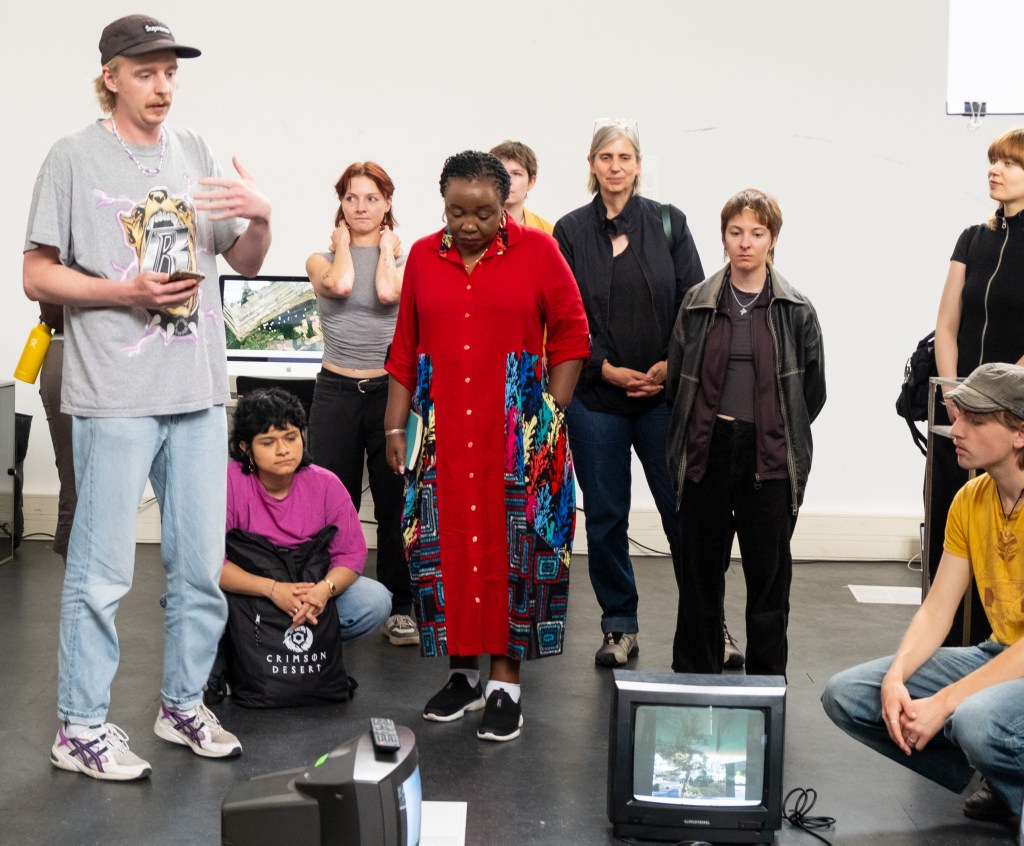
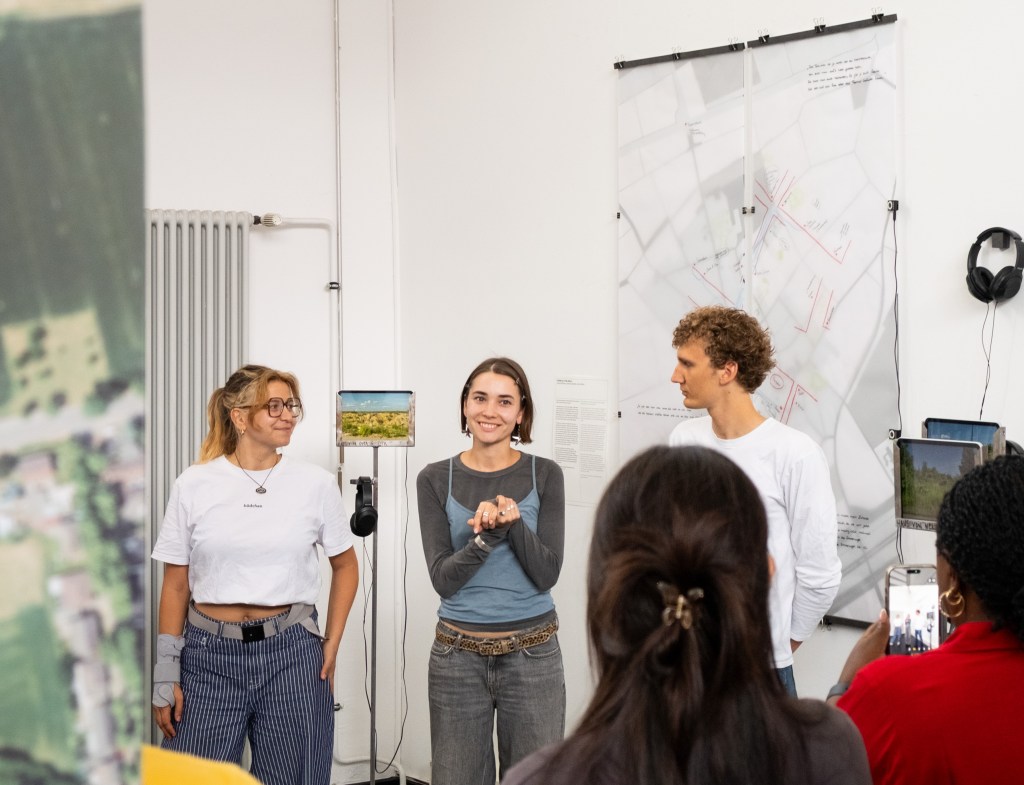
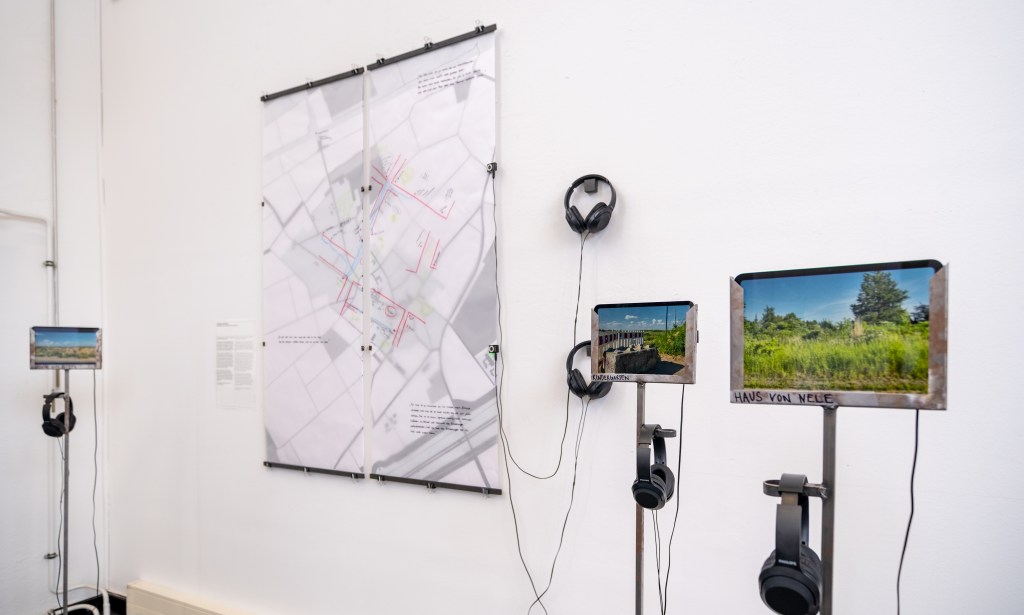
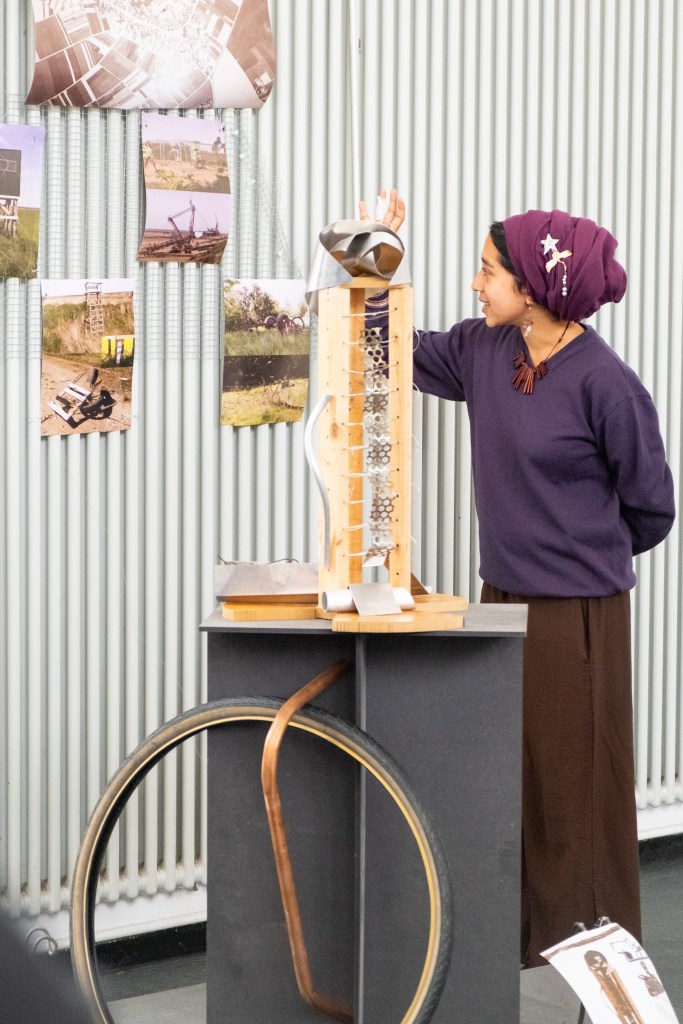
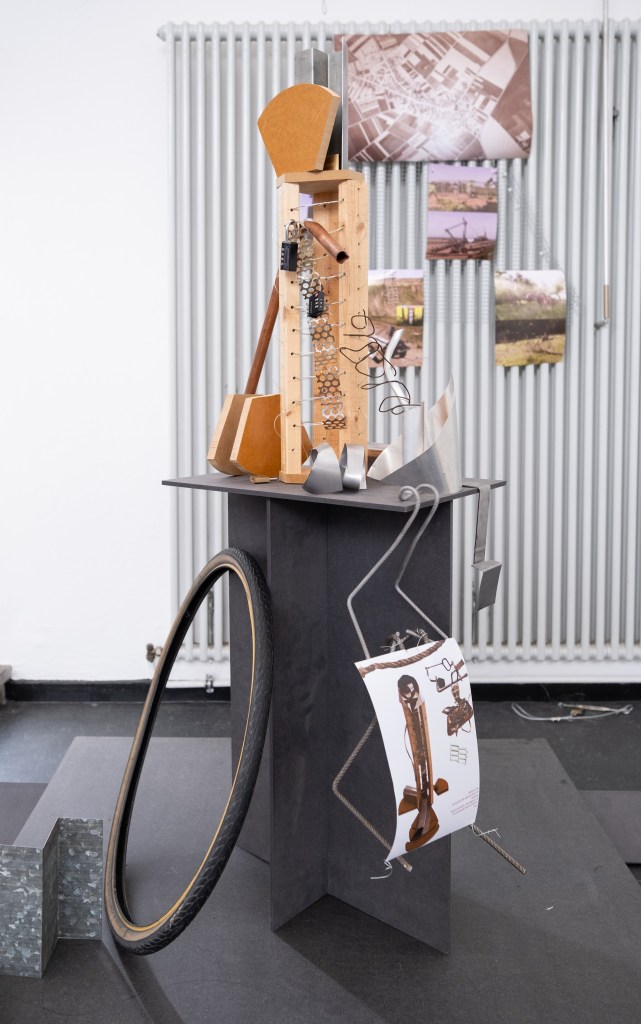
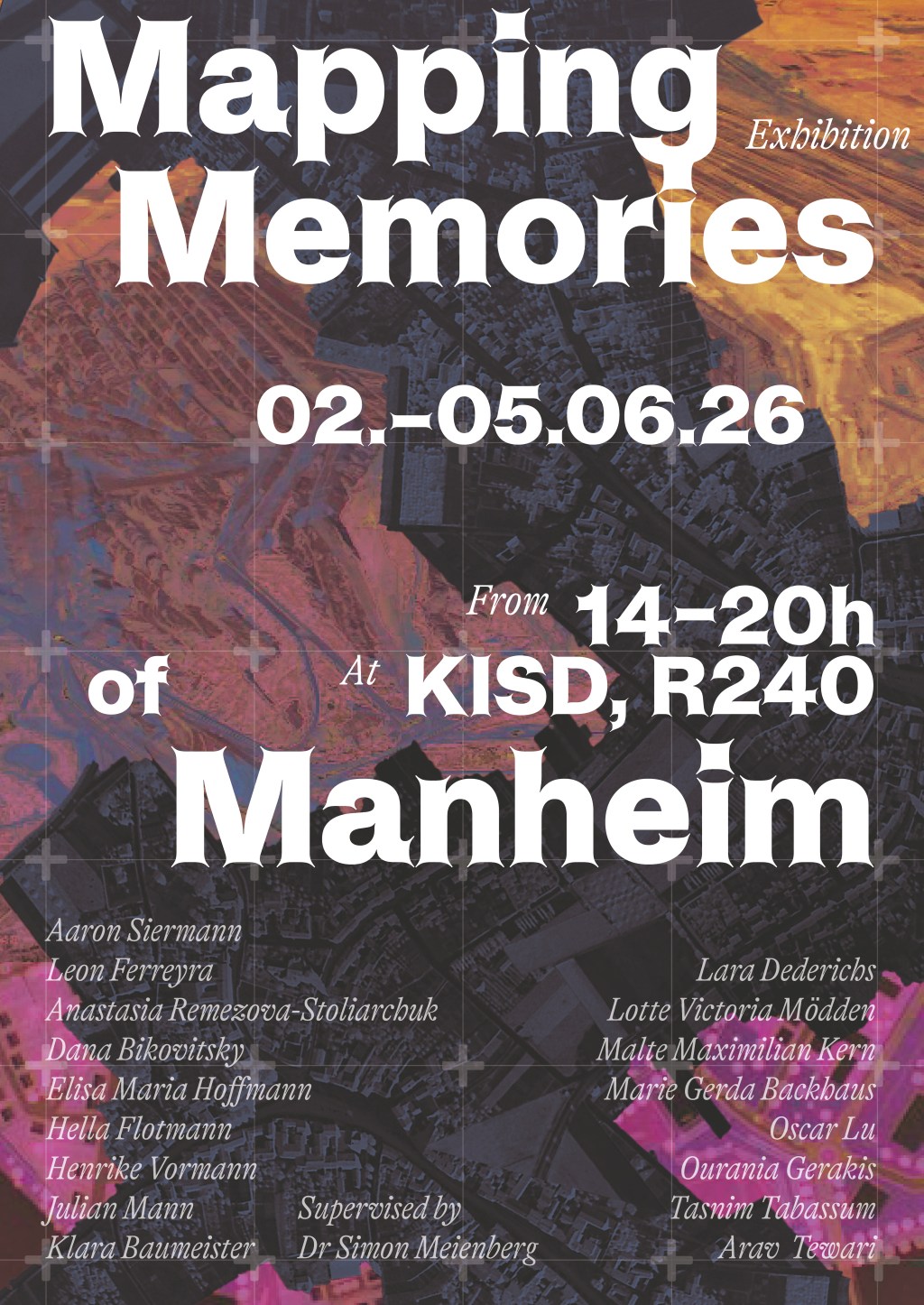
From mid-April to the end of May 2026, I had the privilege of being invited as a guest lecturer by Prof. Dr Carolin Höfler (Design Theory & Research) to supervise the course ‘Mapping Memories of Manheim’ at Köln International School of Design, TH Köln. Today, I would like to share some impressions from the exhibition, where my students presented their sensory maps, audiovisual models, and interactive installations.
Equipped with notebooks, cameras, and audio recorders, we began our investigation with a field visit and the question:
How might we visualise the fragmented, partial, and shifting memories of displaced villages within the Rhenish lignite mining region, and how can the affective, temporal, and spatial dimensions of remembrance be conveyed through maps, models, and installations?
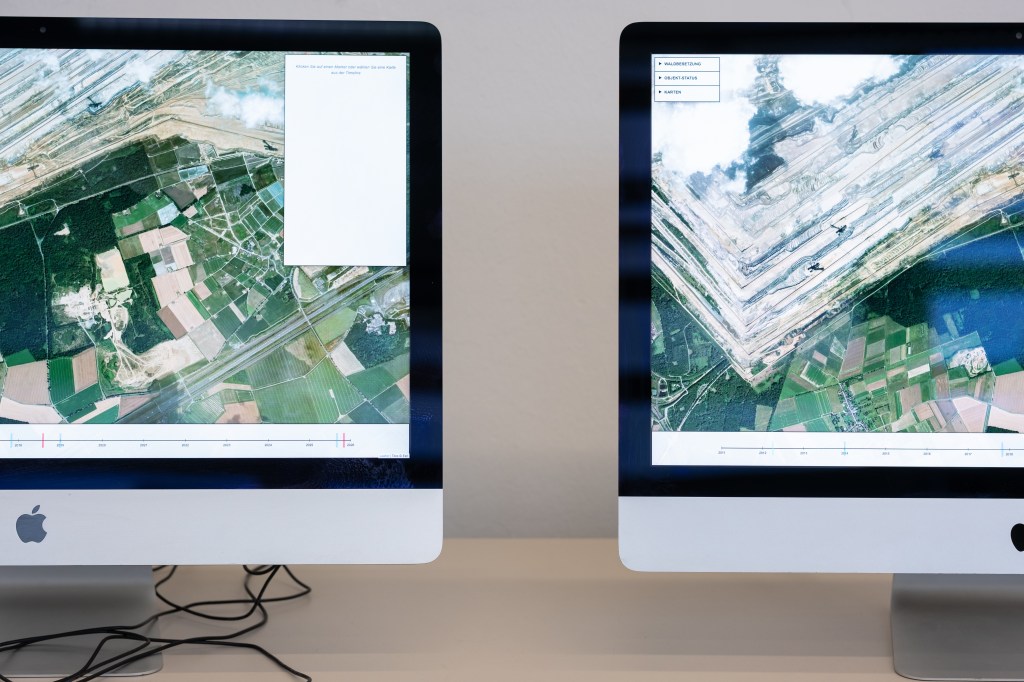
Since the 1960s, so-called ‘energy sacrifice zones’ have legitimised the destruction and resettlement of more than 113 historic villages to advance opencast mining in Hambach—Europe’s largest lignite mine, located about 35 km west of Cologne. At 411 metres dept, 240,000 solid cubic metres of coal and soil are extracted every day—enough to fill a football stadium to a height of 30 metres.
The long-term ecological and social transformation of the region has led not only to profound spatial changes but also to fragmented, contested, and unevenly preserved forms of memory. Future visions plan to transform the area into a tourist hub with a gigantic lake; to achieve this, the mine will be flooded with water from the Rhine—a process that will take up to 50 years.
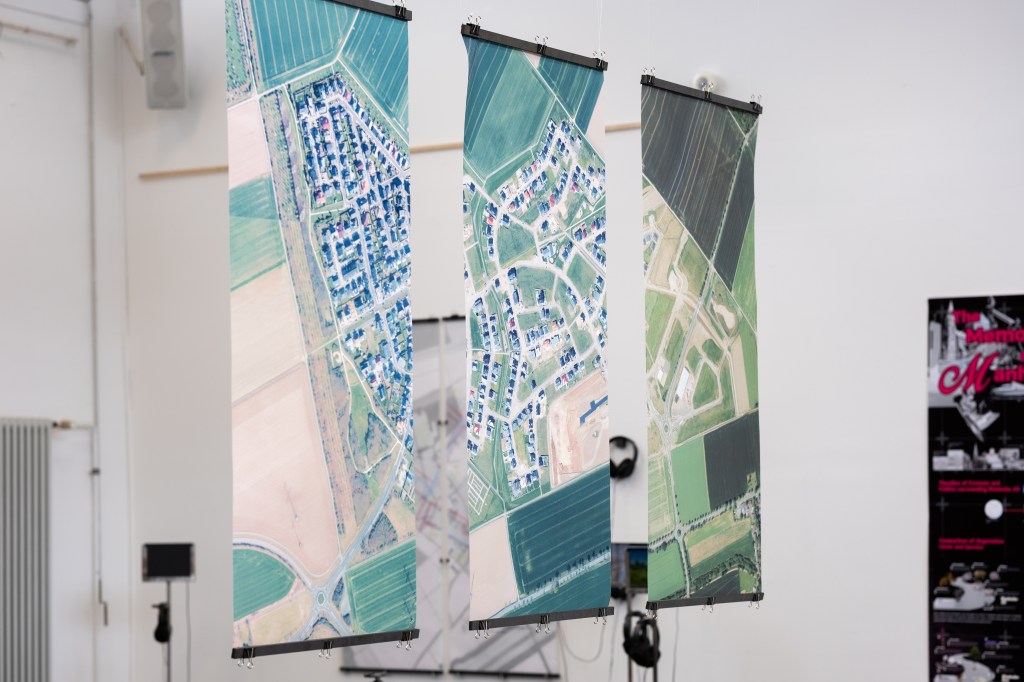
Master’s students from Cologne International School of Design explored the memories and (im)material losses of the resettled village of Manheim. Through site visits, guided walks, archival research, and conversations with displaced eyewitnesses, they traced the remaining connections between the old and new village. In doing so, they examined various layers of memory using research methods from design ethnography and critical mapping practices to unearth previously overlooked aspects.
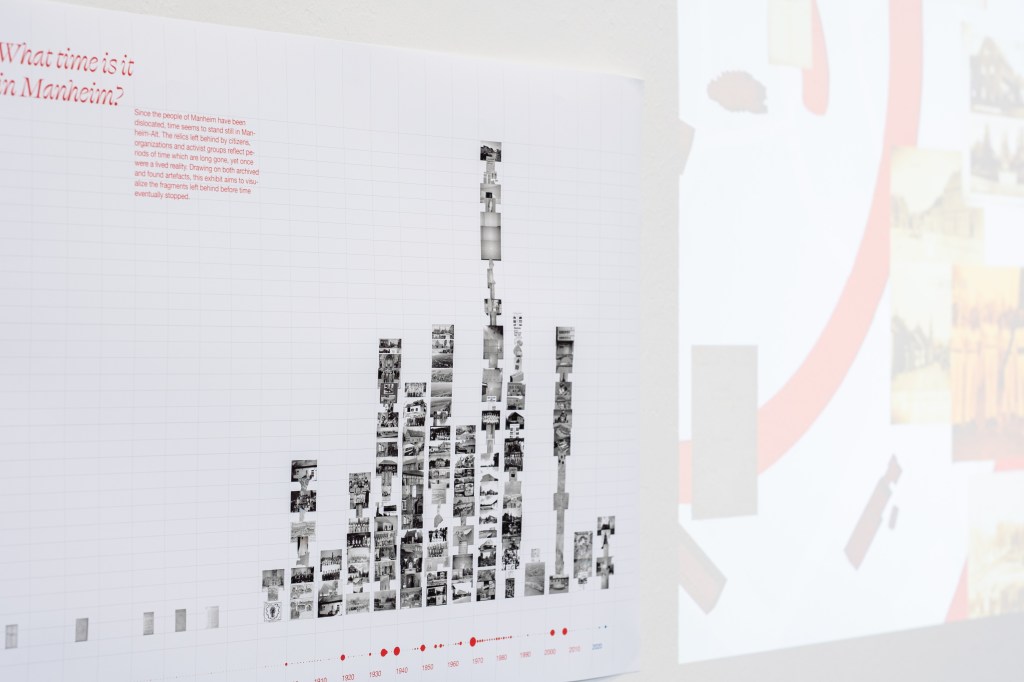
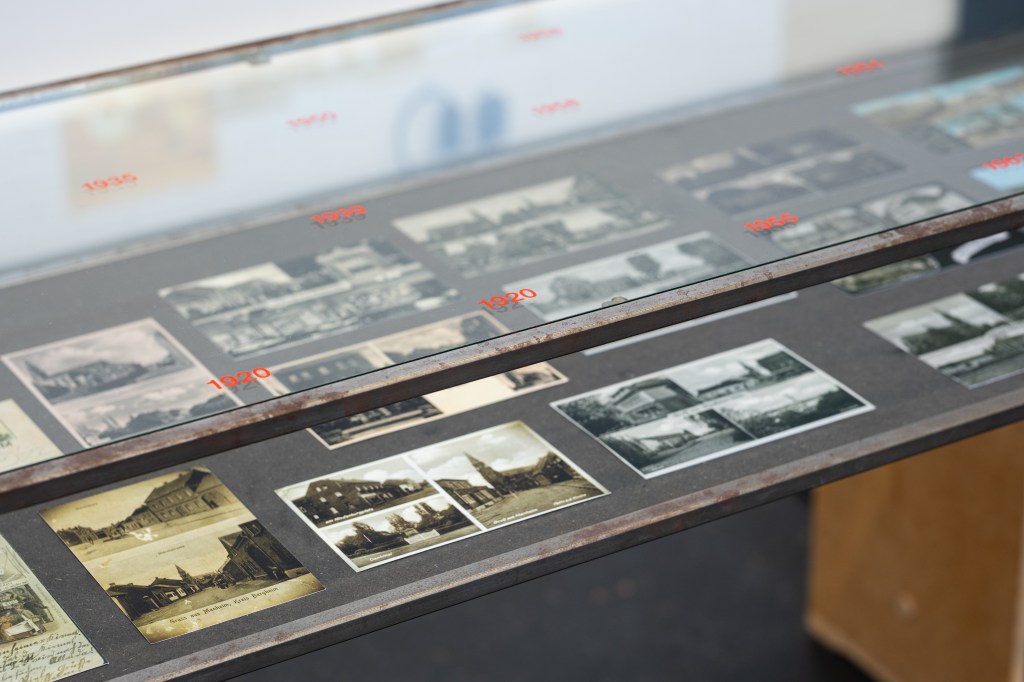
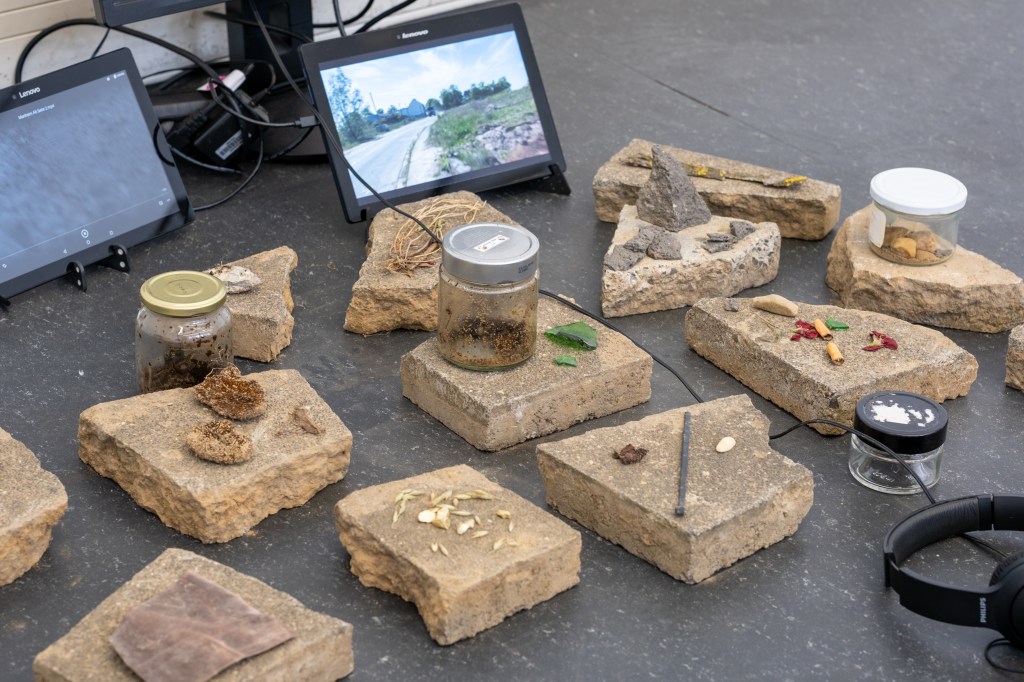
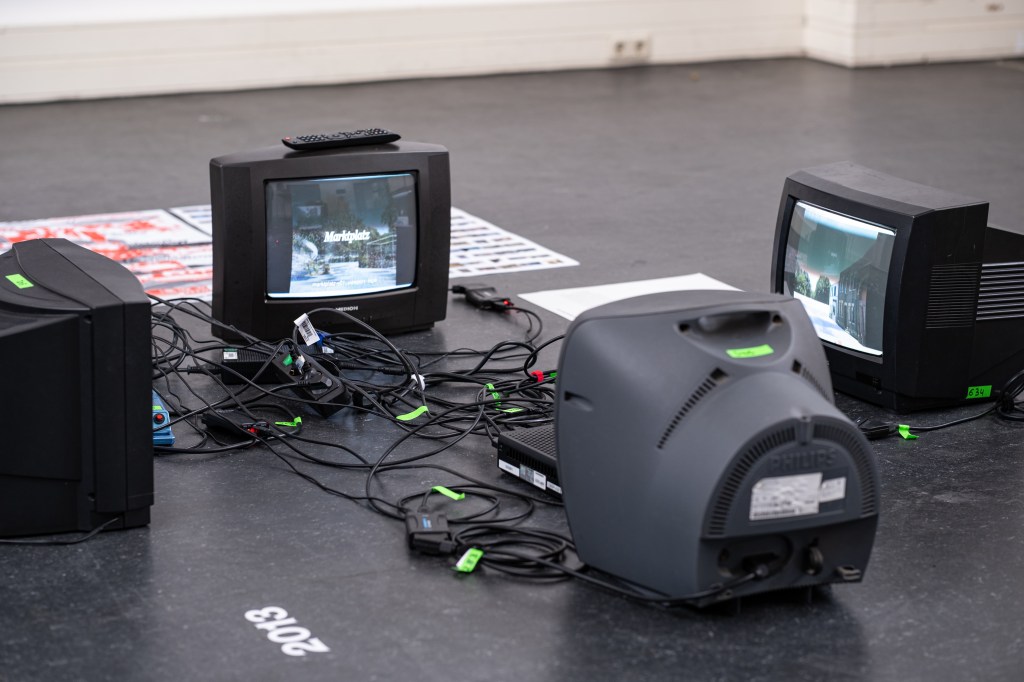
Drawing on a diverse body of source materials—including audio recordings, drawings, photographs, 3D scans, oral histories, and archival documents—they created experimental maps, models, and spatial installations, which were on display in a co-curated exhibition in the first week of June 2026.
I would like to express my gratitude to all participants: Aaron Siermann, Leon Ferreyra, Dana Bikovitsky, Elisa Hoffmann, Hella Flotmann, Henrike Vormann, Julian Mann, Klara Baumeister, Lara Dederichs, Lotte Victoria Mödden, Malte Maximilian Kern, Marie Gerda Backhaus, Oscar Lu, Ourania Gerakis, Tasnim Tabassum and Avar Tewari. Big thanks to Artist Silke Schatz and Manheim Resident Chantal Pley, who shared her artistic knowledge and experiences with us.
Visual Documentation by © Simon Theisen and Elisa Hoffmann, 2026
![zirkulieren [t͡sɪʁkuˈliːʁən]](https://simonmeienberg.com/wp-content/uploads/2025/11/cover-zirkulieren-backgrnd.jpg?w=1024)